- The AFRO Table
- Posts
- From Resilience to Resourcefulness: Honoring Black Food Traditions
From Resilience to Resourcefulness: Honoring Black Food Traditions
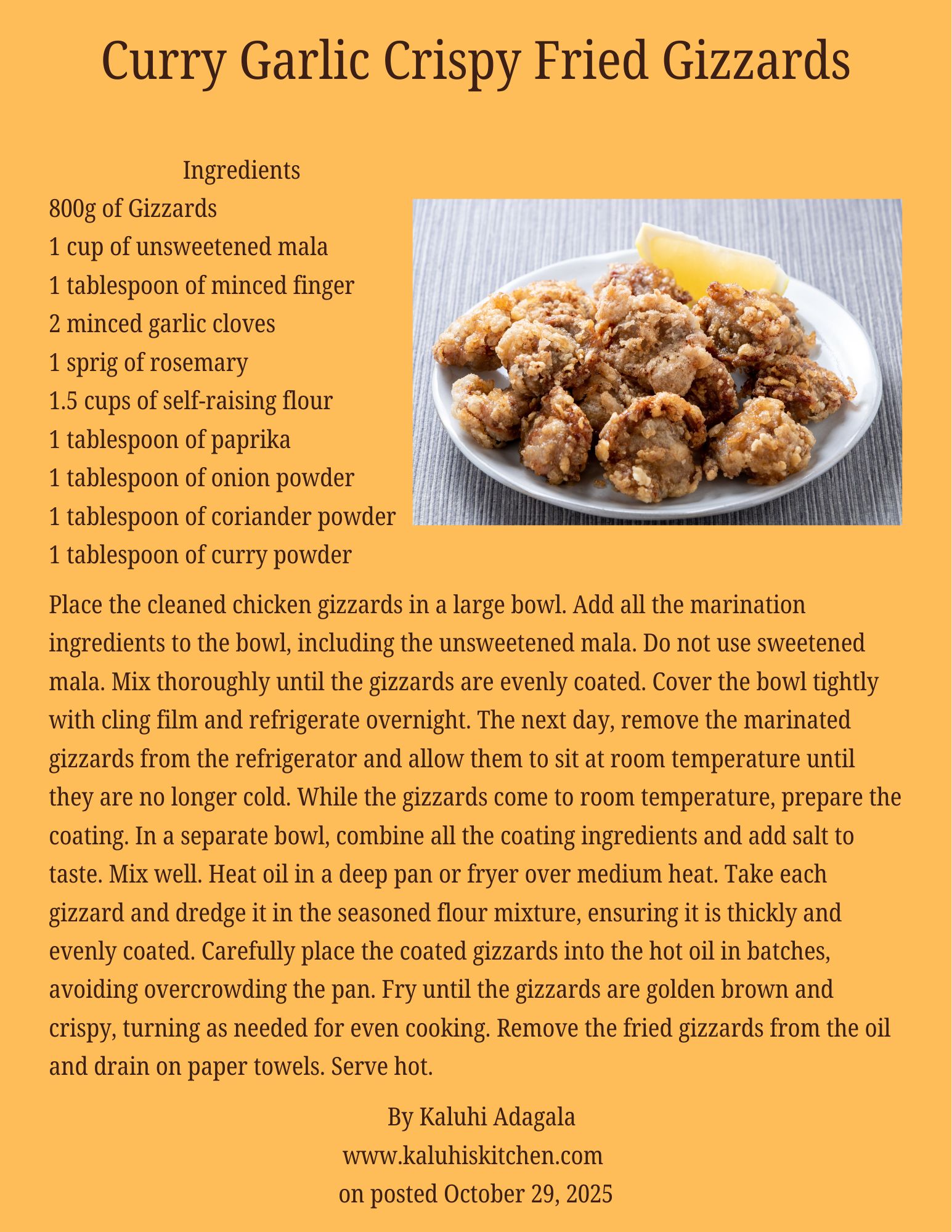
Exploring Black entrepreneurship, culinary upcycling in the home kitchen, and bold flavor through this week’s Taste Maker, Kaluhi Adagala, and her Curry Garlic Crispy Fried Gizzards recipe

Charlie Pritchett
January 14, 2026
This week’s AFRO Table centers resilience, resourcefulness, and flavor in Black food culture. We open with an AFRO News article on Black entrepreneurship and the resilient traditions that continue to drive innovation and community strength. From there, we explore culinary upcycling, breaking down what it is, how it reflects long-standing Black kitchen practices, and how it can help households save money while reducing food waste. We also spotlight this week’s Taste Maker, Kaluhi Adagala, and feature her bold and comforting recipe for Curry Garlic Crispy Fried Gizzards. Together, these stories celebrate heritage, creativity, and the power of making the most of what we have.


Culinary Upcycling: Stretching Flavor, History, and Dollars in the Black Kitchen
In many Black kitchens, nothing goes to waste by accident. Long before “sustainability” became a buzzword, our elders practiced it out of necessity, creativity, and care. Culinary upcycling puts a name to that tradition. It is the practice of using ingredients that might otherwise be discarded and turning them into something nourishing, delicious, and purposeful.
At its heart, culinary upcycling is about seeing value where others see leftovers. It is transforming vegetable peels into broth, stale bread into something crisp and satisfying, and overripe fruit into sweetness with depth. For Black households, where food has always been tied to resilience and resourcefulness, upcycling is less a trend and more a continuation of ancestral wisdom.
What Is Culinary Upcycling?
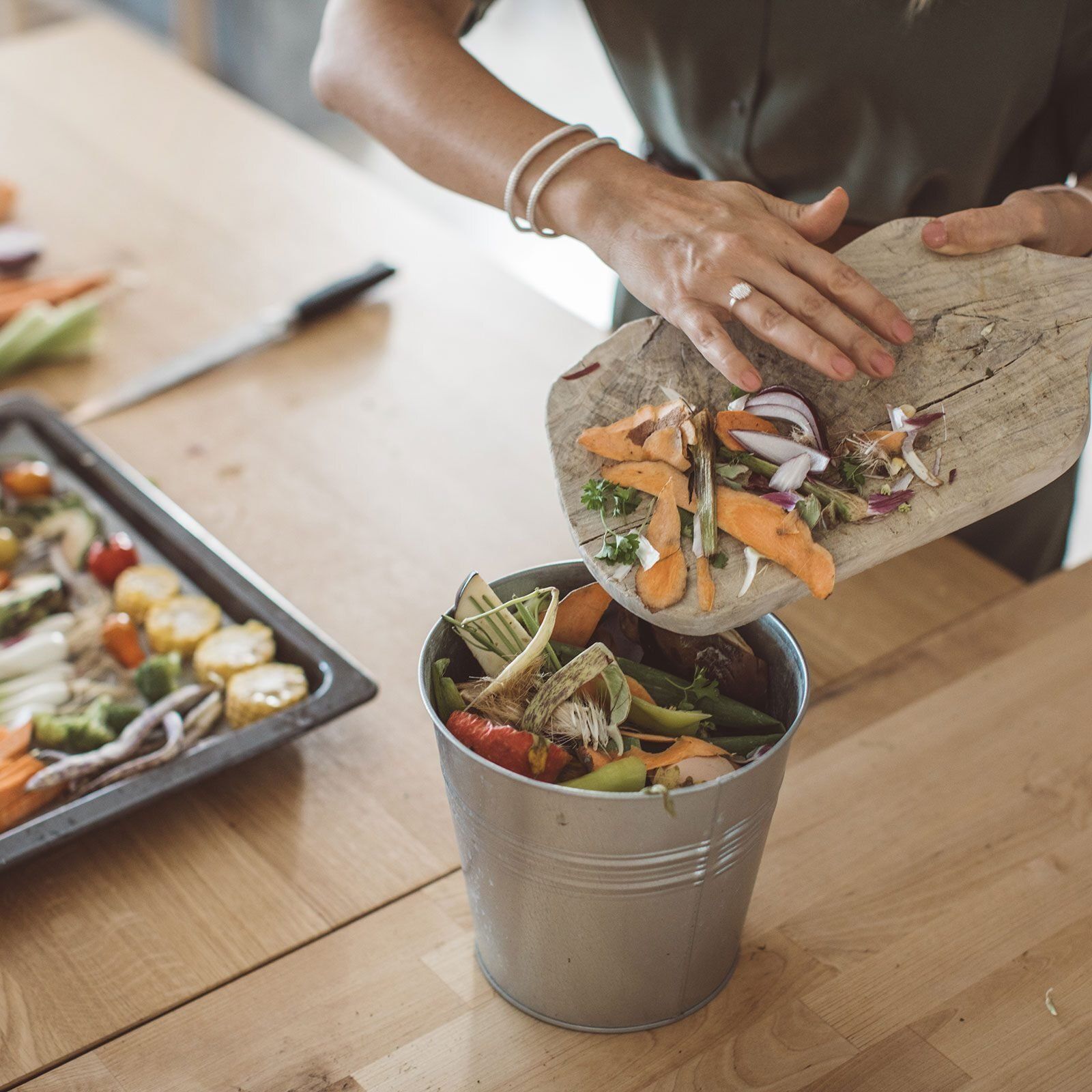
Culinary upcycling means repurposing food scraps, surplus ingredients, or overlooked parts of foods into new meals or components. This can include stems, skins, bones, rinds, and day-old dishes. Instead of throwing these items away, upcycling invites us to reimagine them.
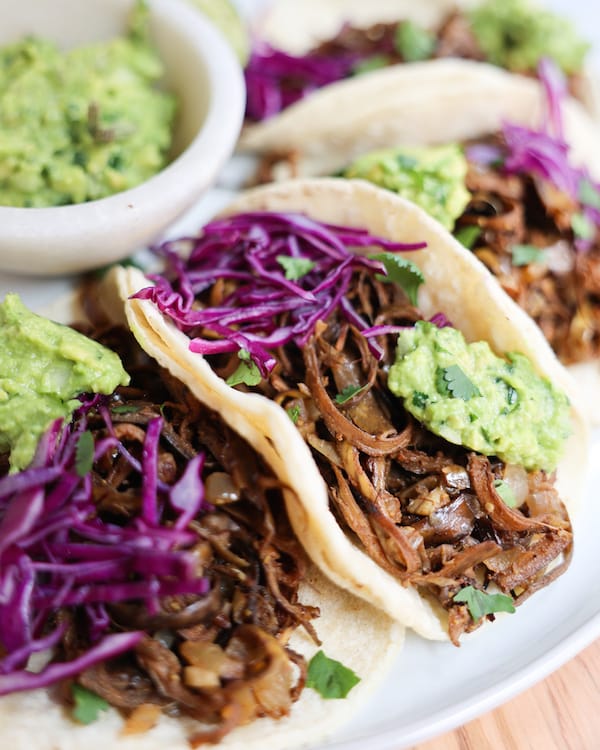
Think of collard green stems finely chopped and sautéed with onions. Chicken bones simmered low and slow into a rich stock. Banana peels transformed into tender, spiced fillings. These practices reduce food waste while extracting every ounce of value from what you buy.
A Tradition Rooted in Black Foodways
Black cooking traditions across the African diaspora are built on making something meaningful out of very little. Enslaved Africans, sharecroppers, and working-class families learned to honor every ingredient because waste was not an option. From neck bones and ham hocks to day-old rice and bread, ingenuity became a survival skill and later, a culinary signature.
Culinary upcycling honors that lineage. It reflects the same mindset that turned scraps into soul food staples and leftovers into meals that fed generations. In today’s kitchens, it also connects cultural pride with modern concerns like rising grocery costs and environmental responsibility.
How Culinary Upcycling Saves Money
Upcycling stretches your grocery budget in quiet but powerful ways. When you use more of what you already buy, you buy less overall.
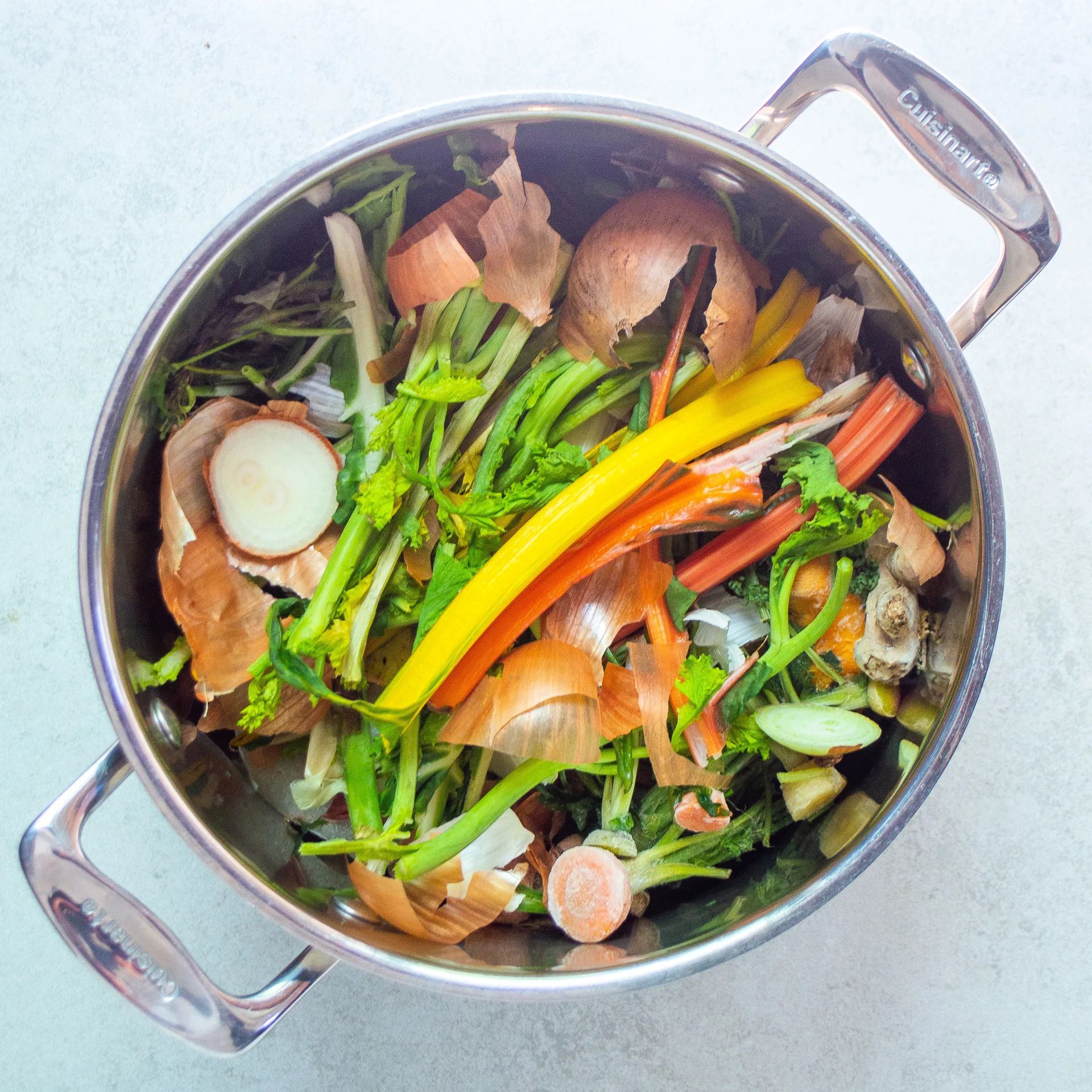
Vegetable scraps can become homemade stock, reducing the need for boxed broth. Leftover rice can turn into fried rice, rice cakes, or porridge instead of being tossed. Citrus peels can be candied, infused into vinegar, or used to flavor sugar, eliminating the need for specialty ingredients.
Even small habits add up. Saving bones for broth or freezing herb stems for sauces can shave dollars off weekly food costs. Over time, those savings create breathing room in a household budget.
Practical Upcycling Ideas for the Black Kitchen
Start with what you already cook.
When making greens, save the stems. Chop them small and sauté with garlic and peppers for a base to beans or eggs. When frying fish, keep the heads and bones for a deeply flavorful fish stock. When bread starts to harden, cube it for croutons or toast it with spices for a crunchy snack.
Fruit that is past its prime can become smoothies, jams, or baked desserts. Corn cobs can be simmered to add sweetness to soups. Even watermelon rinds can be pickled or cooked down into preserves, a practice with deep roots in Southern Black kitchens.
More Than Savings: A Shift in Mindset
Culinary upcycling is not just about frugality. It is about intention. It asks us to slow down, plan creatively, and respect the labor behind every ingredient. That mindset builds confidence in the kitchen and encourages experimentation, especially for younger generations learning to cook.
It also reinforces a sense of stewardship. Using food fully honors the farmers, cooks, and ancestors who made that food possible. It transforms everyday meals into acts of care for both family and community.
Bringing It Forward
Culinary upcycling bridges past and present. It allows Black households to save money without sacrificing flavor, to cook sustainably without abandoning tradition, and to teach resourcefulness as a form of pride.
In a time of rising food prices and growing waste, upcycling reminds us that abundance is not always about having more. Sometimes, it is about seeing more in what we already have.


This week’s Taste Maker, Kaluhi Adagala, is the creative force behind Kaluhi’s Kitchen, a platform that celebrates Kenyan food with warmth, clarity, and deep cultural pride. Known for her ability to make traditional and modern African dishes feel both approachable and exciting, Kaluhi blends storytelling with practical cooking guidance that invites readers into her kitchen and her heritage. Through her recipes, essays, and visual storytelling, she highlights the richness of East African flavors while encouraging confidence, curiosity, and joy in everyday cooking. Her work reflects a thoughtful balance of tradition and innovation, making African cuisine accessible to a global audience without losing its soul.
Reply