- The AFRO Table
- Posts
- From Baltimore’s Trailblazers to Houston’s Culinary Rising: Crafting Community on Every Plate
From Baltimore’s Trailblazers to Houston’s Culinary Rising: Crafting Community on Every Plate
Spotlighting Black women food entrepreneurs, Houston’s culinary conference, and a sweet vegan recipe from Jerrelle Guy

Charlie Pritchett
January 28, 2026
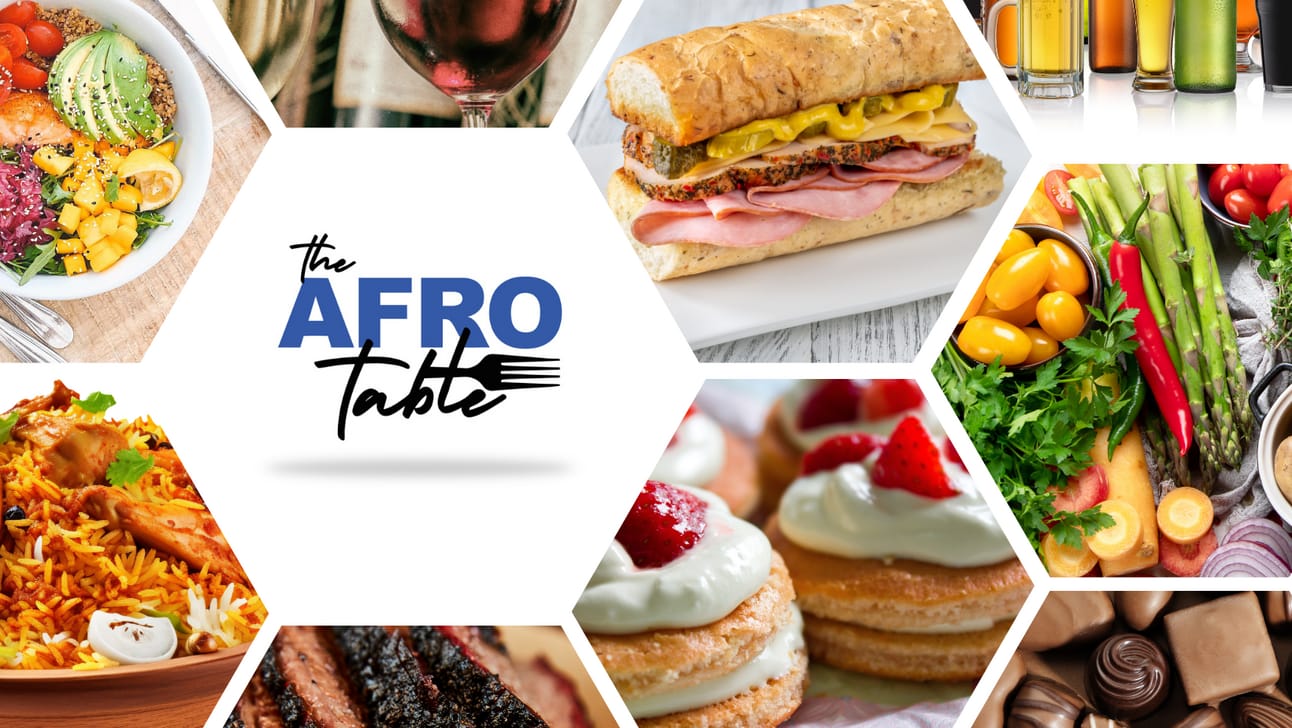
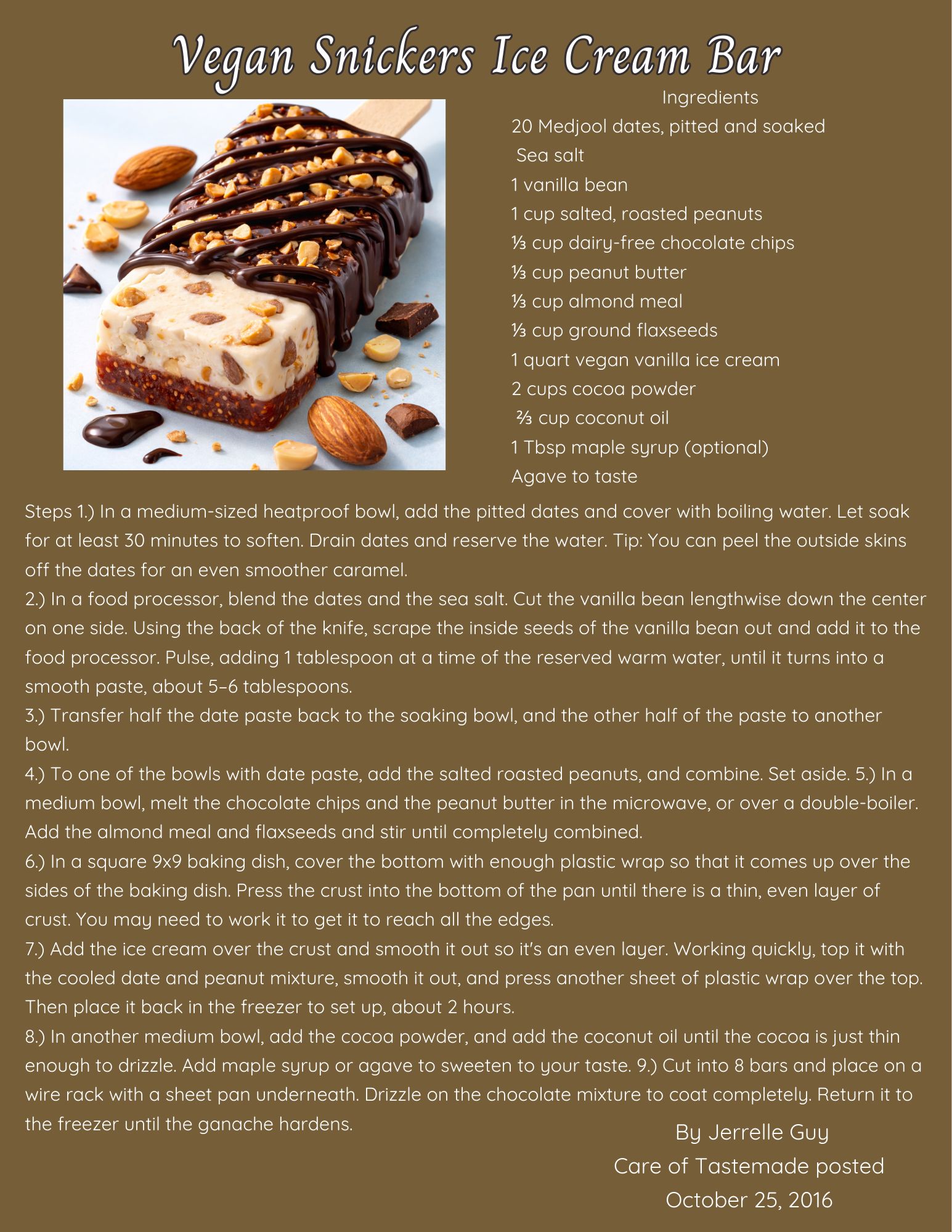
In this week’s AFRO Table, we bring together stories of creativity, leadership, and delicious innovation across the culinary world. We begin with an inspiring AFRO News feature on Black women food entrepreneurs in Baltimore, highlighting how they are building successful businesses while strengthening their communities. We also take readers to Houston for a closer look at the Global Culinary Conference hosted by the Feed the Soul Foundation during Black Restaurant Week, where chefs and food founders from across the country gathered to gain practical tools, connections, and support for sustainable growth. Our Taste Maker spotlight features Jerrelle Guy, the visionary behind Chocolate for Basil, whose thoughtful approach to food blends culture, creativity, and care, and we close with her decadent recipe for vegan Snickers ice cream bars; a sweet, plant-based treat you’ll want to make on repeat.
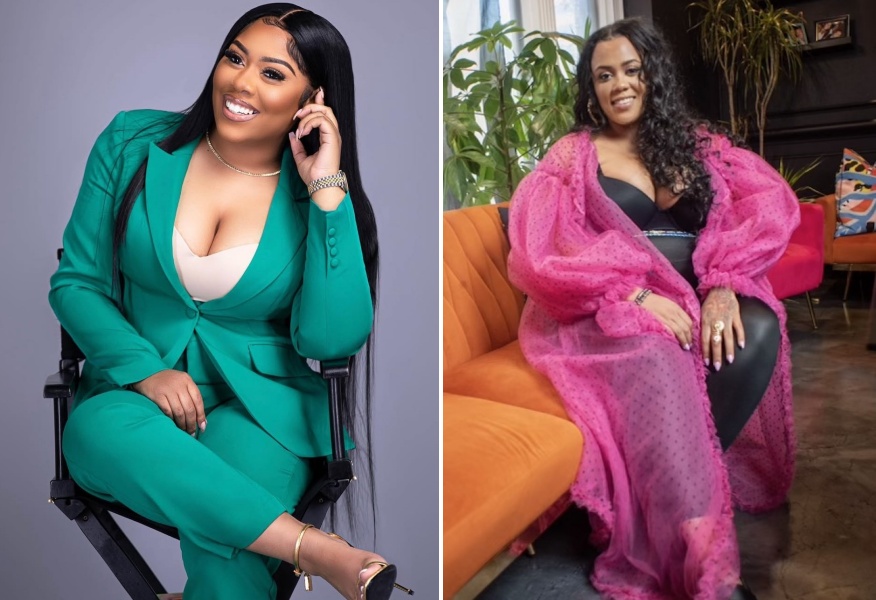
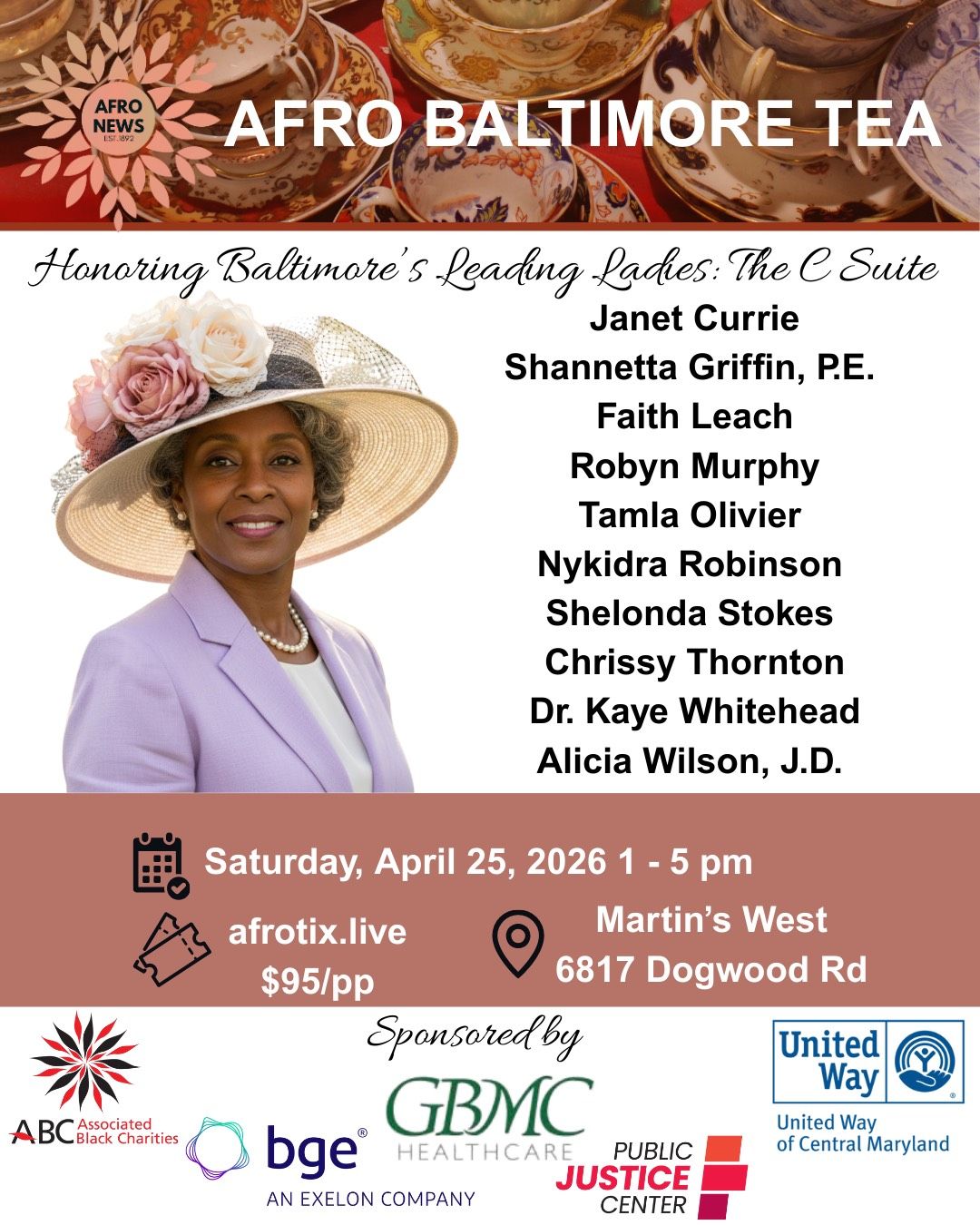
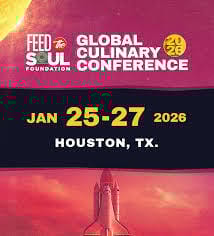
Houston’s Table of Opportunity
How a National Culinary Conference Is Serving Up Business Growth and Equity
From January 25 through January 27, 2026, Houston became a crossroads for culinary ambition as the Feed the Soul Foundation Global Culinary Conference brought chefs, restaurateurs, food truck owners, and food entrepreneurs from across the country together under one roof. Hosted at Rice University’s Anderson-Clarke Center, the three-day convening focused on something often missing from food conversations: the business skills required to survive and thrive in a rapidly changing industry.
Rooted in the legacy of Black Restaurant Week, the conference reflected Houston’s role as both a culinary capital and a proving ground for innovation. Rather than centering solely on tastings or celebrity chef moments, the event was designed to meet working food professionals where they are, offering practical tools, mentorship, and access to decision-makers who shape the food economy.
More Than Menus: A Business Boot Camp for the Food Industry
The Global Culinary Conference functioned as a hands-on learning lab. Attendees participated in tailored tracks aimed at different stages of business growth, from first-time founders exploring how to launch sustainably to established operators looking to scale or franchise.
Workshops and panels addressed real-world challenges such as securing capital, managing rising food and labor costs, refining menus for profitability, navigating marketing in a digital-first world, and building resilient teams. Speakers included chefs and founders who have successfully grown recognizable brands, sharing candid lessons about setbacks, pivots, and long-term strategy.
Networking with Purpose
Beyond the sessions, the conference emphasized relationship-building as a form of capital. Welcome dinners, curated networking moments, and informal gatherings created space for collaboration among peers, suppliers, and mentors. These interactions often proved just as valuable as the formal programming, sparking partnerships, vendor relationships, and ongoing mentorships that extend well beyond the conference walls.
Why This Matters
Independent restaurants remain cornerstones of local economies, yet many Black-owned food businesses face systemic barriers to funding, visibility, and long-term sustainability. By centering education, access, and community, the Global Culinary Conference addressed these gaps directly, positioning food entrepreneurship as both cultural expression and economic engine.
Houston’s diverse food landscape made it a fitting host. The city’s neighborhoods are shaped by small, community-rooted eateries, and investing in the people behind them strengthens the broader cultural fabric of the region.
For Future Coverage
The story does not end with January’s conference. Organizers are already preparing for an upcoming February culinary event tied to Black Restaurant Week programming, which will bring additional pop-ups, collaborations, and community-focused experiences to Houston. Future coverage could follow how conference participants apply what they learned, spotlight local businesses involved in February’s events, or examine measurable outcomes such as business expansion, job creation, or new partnerships formed through Feed the Soul Foundation’s ongoing work.
Together, these gatherings tell a larger story about food as a pathway to equity, resilience, and shared prosperity, one plate, one business, and one community at a time.

Jerrelle Guy is a multi-dimensional food creator whose work delights both the palate and the mind. As the founder of the acclaimed blog Chocolate for Basil and author of the James Beard Award–nominated cookbook Black Girl Baking, she blends food, culture, and storytelling with a fresh, introspective voice that invites readers to see cooking as a form of self-expression and healing. Guy holds a bachelor’s degree in illustration from the Rhode Island School of Design and a master’s in gastronomy from Boston University, which she channels into beautifully styled imagery and thoughtful recipes that reflect her heritage and culinary curiosity. Based in Dallas, she continues to develop intuitive, confidence-building recipes for The New York Times, curates her newsletter The Dinner Ritual, and works on her next cookbook, all while encouraging people to approach the kitchen with creativity and care.
Reply