- The AFRO Table
- Posts
- A Year at the Table: Lessons, Legacy, and What We Carry Forward
A Year at the Table: Lessons, Legacy, and What We Carry Forward
From nurturing future chefs to reflecting on the meals that shaped us, this week’s AFRO Table celebrates food as a teacher, a connector, and a guide into the year ahead.

Charlie Pritchett
January 01, 2026


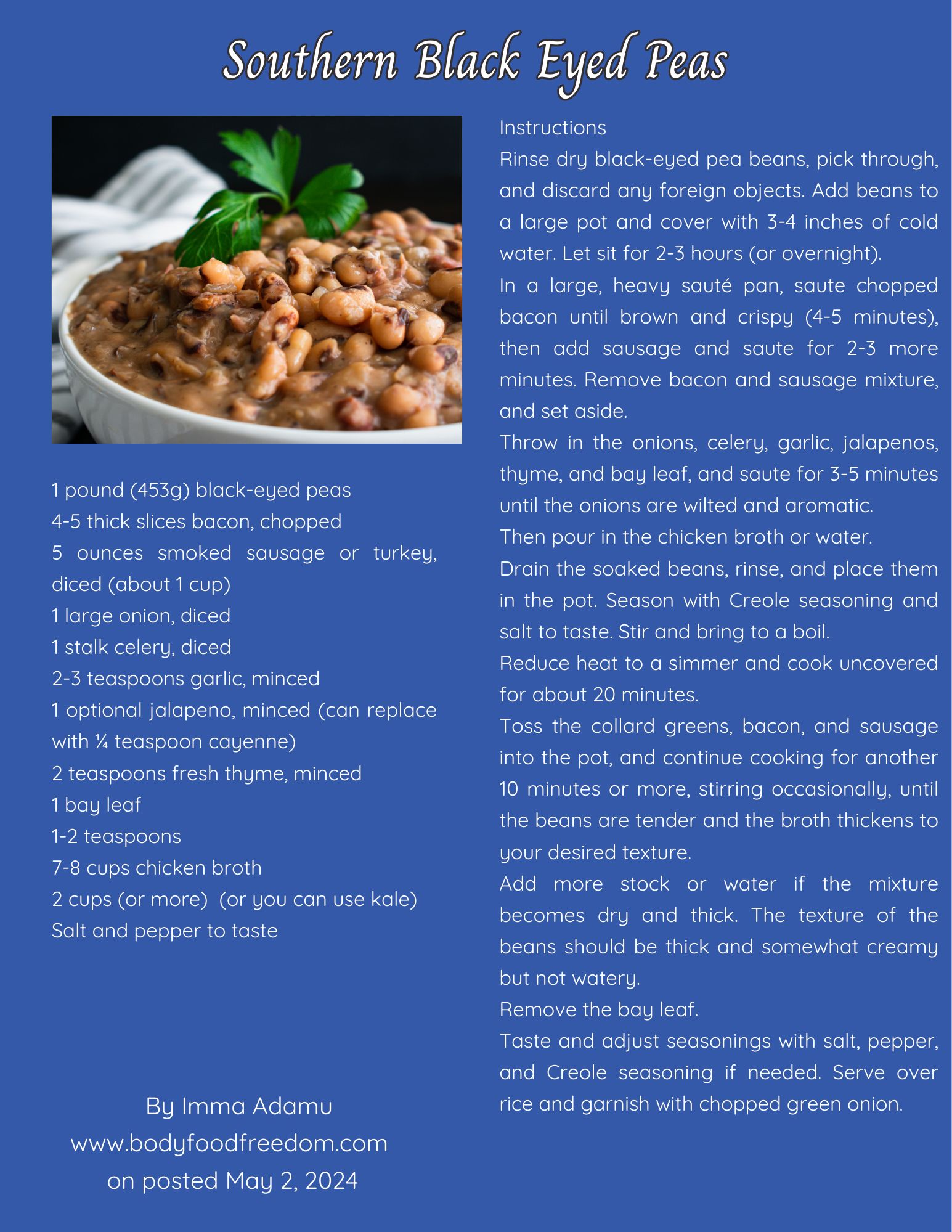
This week’s AFRO Table centers food as both legacy and possibility. We begin with an article from The Afro News spotlighting Black Girls Cook, a nonprofit nurturing the next generation of confident, skilled chefs by pairing culinary education with mentorship and community care. We then reflect on What Food Taught Us This Year, a thoughtful look at the meals, traditions, and shared moments that shaped the Black community over the past year and reminded us why the table remains a place of grounding and connection. Rounding out the issue is this week’s Taste Maker, Imma Adamu, whose comforting, culture-rooted approach to cooking shines through her beloved recipe for black-eyed peas, a dish steeped in meaning and perfect for welcoming the year ahead.



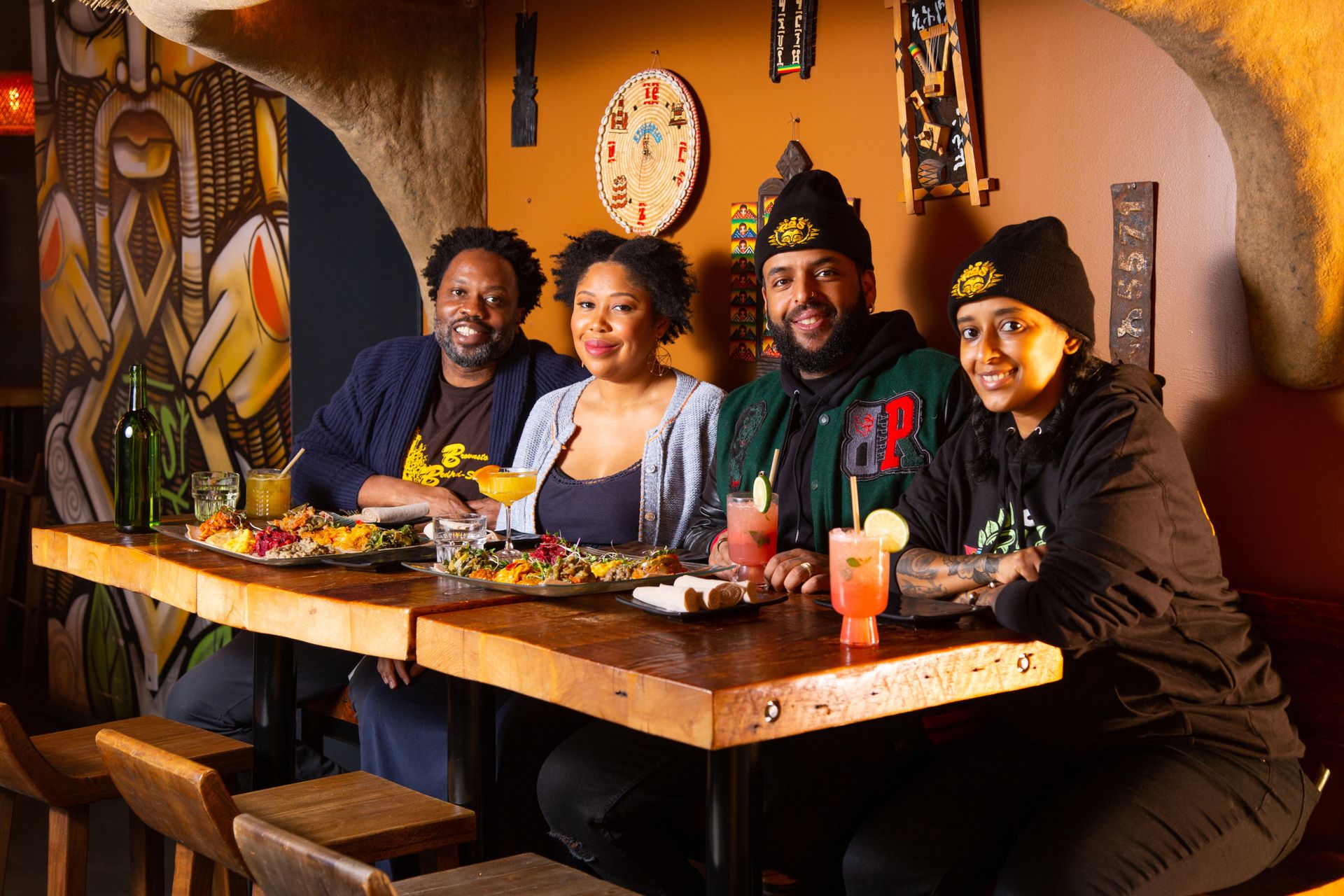
What Food Taught Us This Year
As another year comes to a close, food offers more than nourishment. It offers memory, meaning, and perspective. Across the Black community, the meals we cooked, shared, and supported this year told a larger story about resilience, creativity, care, and connection. Looking back through the lens of food reveals what truly sustained us.
This year reminded us that food is community. From neighborhood cookouts and church repasts to packed dining rooms at Black-owned restaurants, meals became gathering points. They were places to grieve together, celebrate milestones, and simply be present. Even when times felt uncertain, people showed up with plates in hand and open seats at the table. Food made space for conversation and belonging when words alone were not enough.
Food also taught us about support and intention. Choosing to shop Black-owned, attend pop-ups, and share restaurant recommendations became quiet but powerful acts of care. Every order placed and every recipe reposted carried meaning. It was a reminder that food economies are deeply human, tied to livelihoods, legacy, and dreams. Where we spent our food dollars reflected our values.
At home, food became a teacher of slowing down. Many returned to cooking more intentionally, pulling recipes from memory, elders, or handwritten cards tucked into drawers. Dishes were less about perfection and more about comfort. A pot simmering on the stove offered stability in a fast-moving world. In those moments, cooking became grounding, almost meditative, and deeply personal.
The year also showed how food adapts. Traditional dishes were reimagined through plant-forward, health-conscious, or globally inspired lenses. Younger generations honored heritage while making it their own, proving that tradition is not static. It evolves with the people who carry it. This balance of respect and reinvention kept food culture vibrant and relevant.
Perhaps most importantly, food taught us about care. Meals were delivered to neighbors, shared with those in need, and prepared for mutual aid efforts. Feeding someone remained one of the most immediate ways to show love and solidarity. In times of strain, food answered with generosity.
As we step into a new year, these lessons linger. Food is not just what we eat. It is how we connect, how we remember, and how we move forward together. The past year reminded us that even in changing seasons, the table remains a place of grounding and hope.


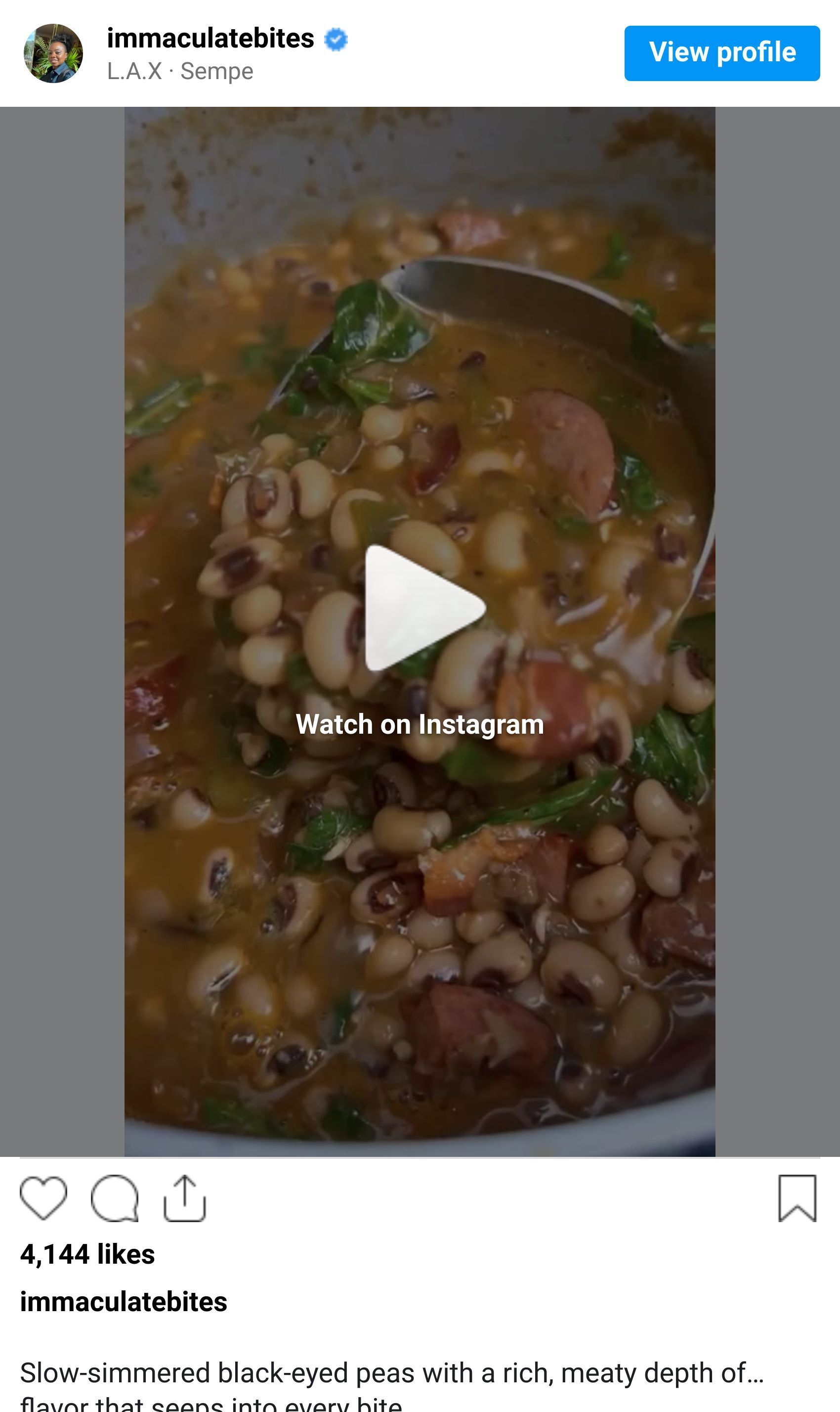
This week’s Taste Maker is Imma Adamu of Immaculate Bites, a creator whose work highlights the richness and comfort of African-inspired cooking with clarity and heart. Through her recipes and storytelling, Imma makes traditional dishes approachable while staying rooted in culture and flavor. Her food reflects lived experience and home-style cooking, bringing bold seasonings and familiar techniques into kitchens around the world. More than a recipe creator, she is a trusted guide, showing how food can preserve history, spark creativity, and create joy at the table.
Reply